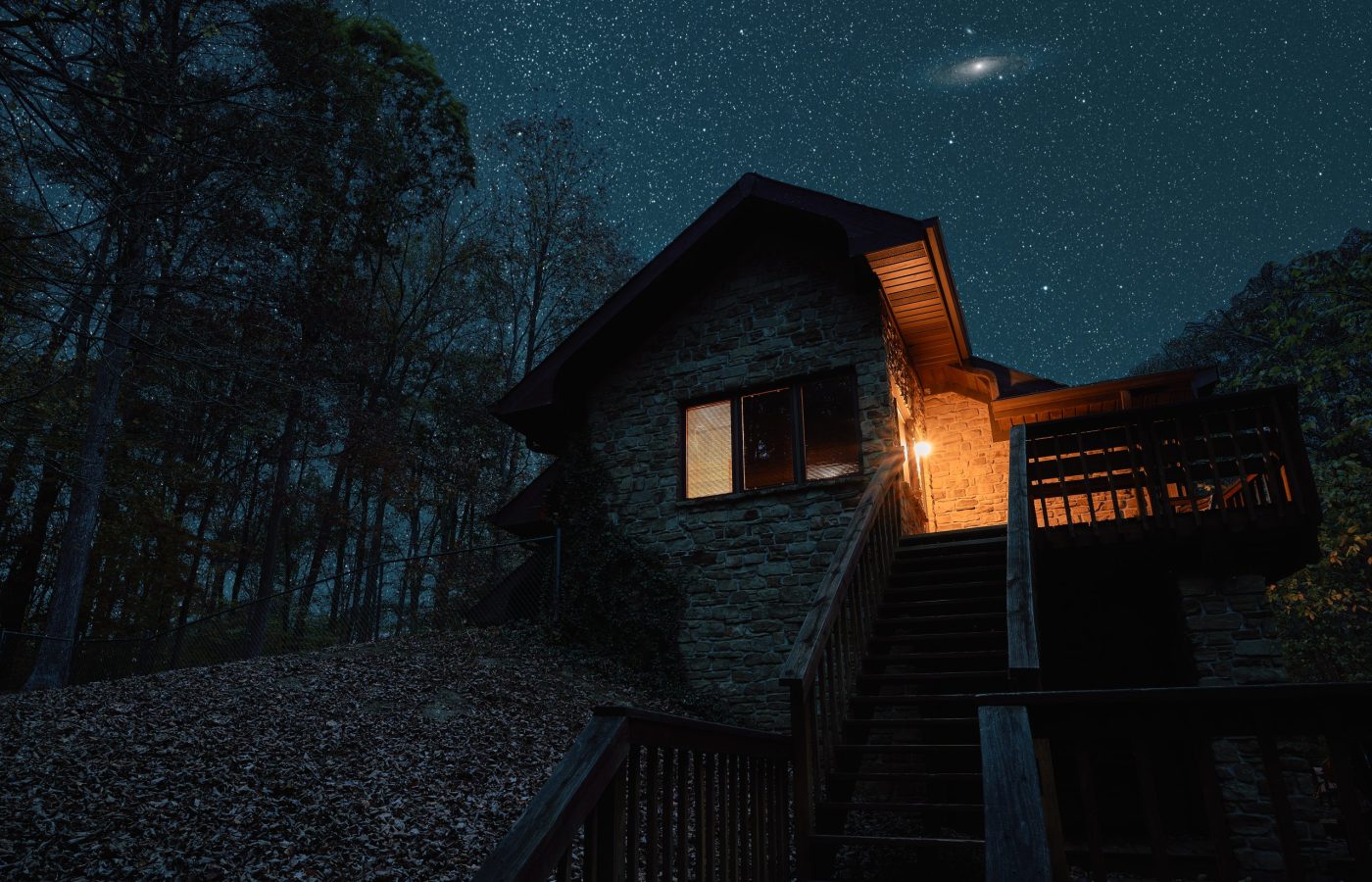
The Deep Sky Marathon is our longest session, built around the fact that the darkest sky of the night usually arrives well after most guests would normally think to leave.
We start with brighter targets — the Andromeda Galaxy, a handful of open clusters — while eyes are still adjusting, then move to fainter objects as full dark adaptation sets in around the ninety-minute mark. No white light is used at any point after the opening briefing; even phone screens are asked to stay off or switched to red mode.
Four hours is long by design. Most galaxies and nebulae reward patience at the eyepiece far more than a quick look ever does.