The sky above you
is the real one.
Parallax runs a working observatory, not a planetarium. The field behind you is a live simulation of tonight's actual sky — real star positions, run through the same coordinate math our telescopes use to track them.
Toggle the constellation lines below — sky motion is time-lapsed for effect, not real-time.
An observatory is only as good as the sky it sits under.
We chose this ridge for one reason: a genuinely dark sky, measured and monitored, not just a marketing claim. No site lighting above amber, no unshielded fixtures, and a standing agreement with the valley below to keep it that way.
Everything else — the instruments, the sessions, the guiding — exists to make the most of that one asset.
Built to track, not just to point.
Our main mount is a two-axis equatorial design — its polar axis aimed at the celestial pole, turning at sidereal rate to counter the Earth's own rotation. The model here turns at the same simulated rate as the sky field above it.
Six ways to spend a night under a real sky.
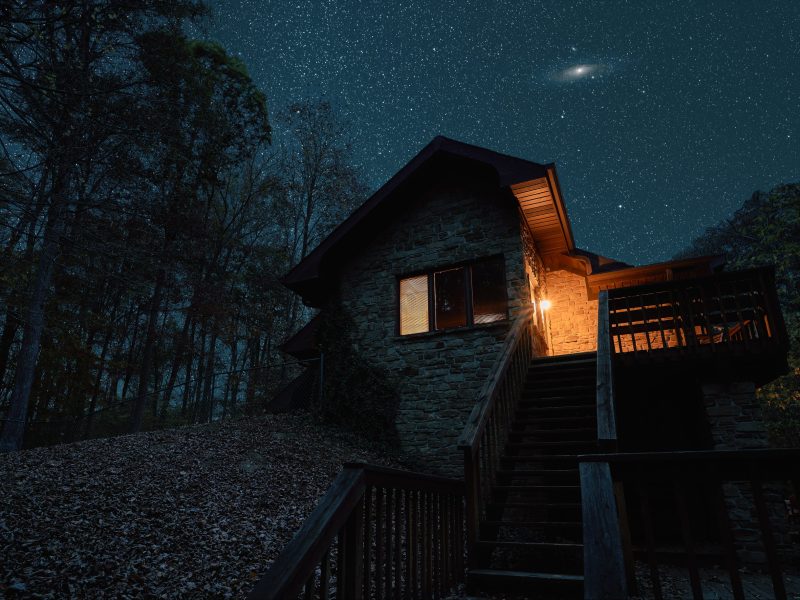
Deep Sky Marathon
A slow, guided crawl through galaxies and star clusters, timed to run past midnight when the…
Planetary Night
Saturn's rings, Jupiter's moons, and whatever else is well-placed that week — high magnification, short and…
First Light: Finding Orion
Our introductory session — no telescope required, just a dark sky and someone patient to point…
Lunar Detail Session
Crater rims, mountain shadows, and rilles along the terminator line — the Moon at its most…
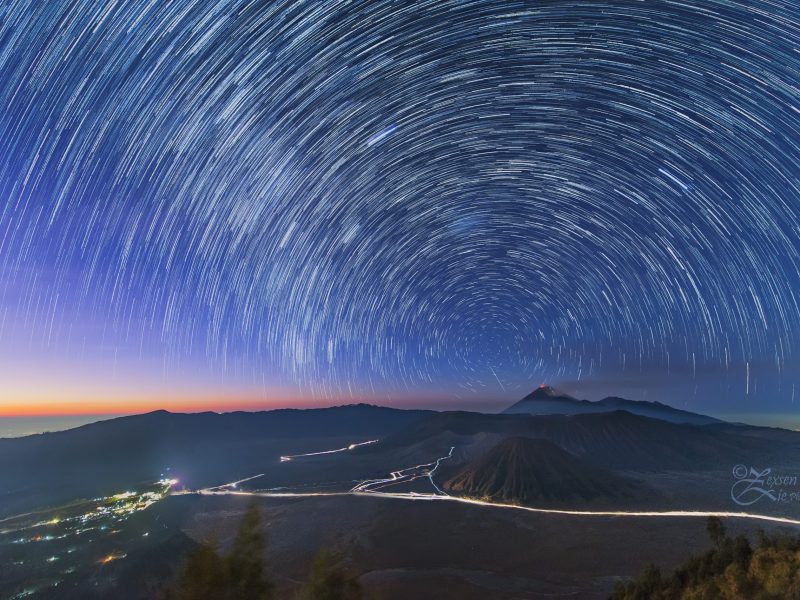
Meteor Watch
Reclined chairs, no equipment, and a wide-open view of the radiant during the year's two most…
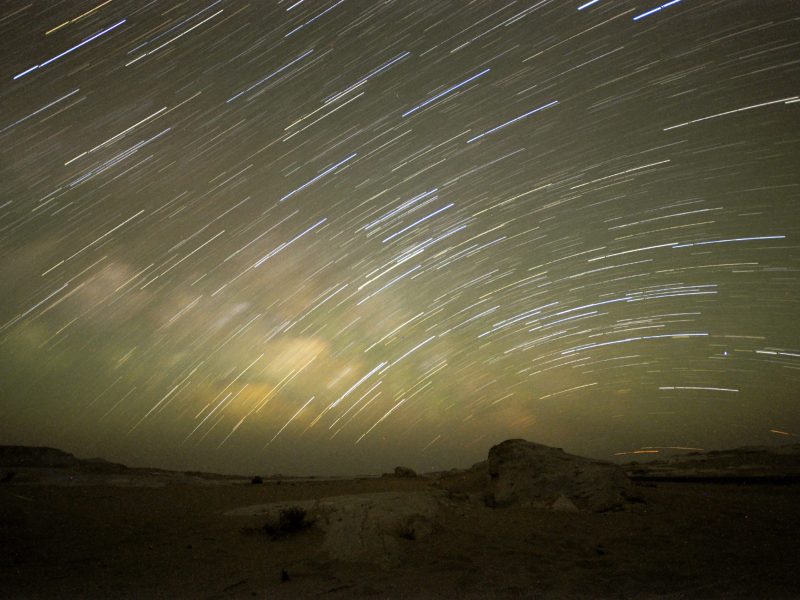
Wide-Field Milky Way Night
A photography-focused session built around the galactic core season — tripods, long exposures, and a guided…
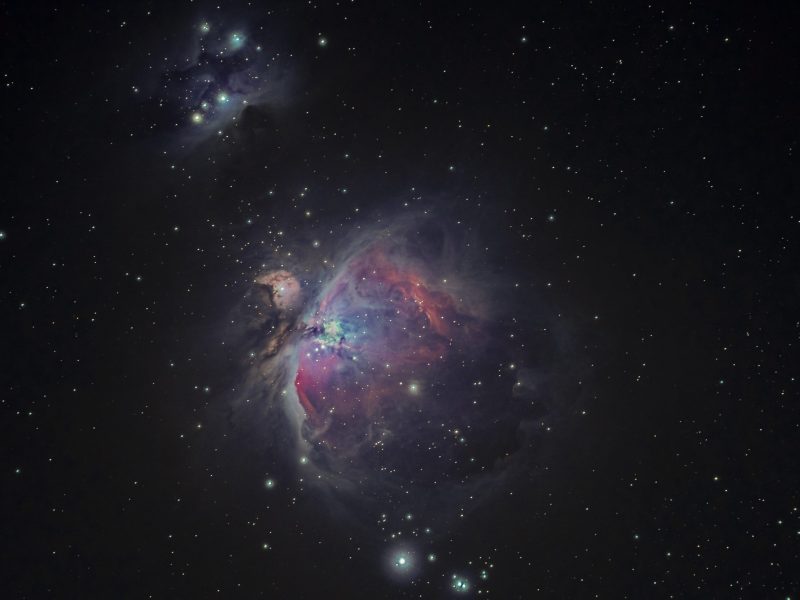
Orion, traced.
Every guided session starts the same way: learning to actually find something up there. Orion is usually first — bright, unmistakable, and visible from nearly anywhere with a horizon.
Notes on the sky, the instruments, and what breaks.
“I've seen Saturn's rings in photographs my whole life. Seeing them shake slightly through an actual eyepiece, on an actual cold night, is a completely different fact to know.”Guest, Deep Sky Marathon session
The sky doesn't wait for a good excuse.
Most visits start with a single question about which telescope to book first.
Plan a visit