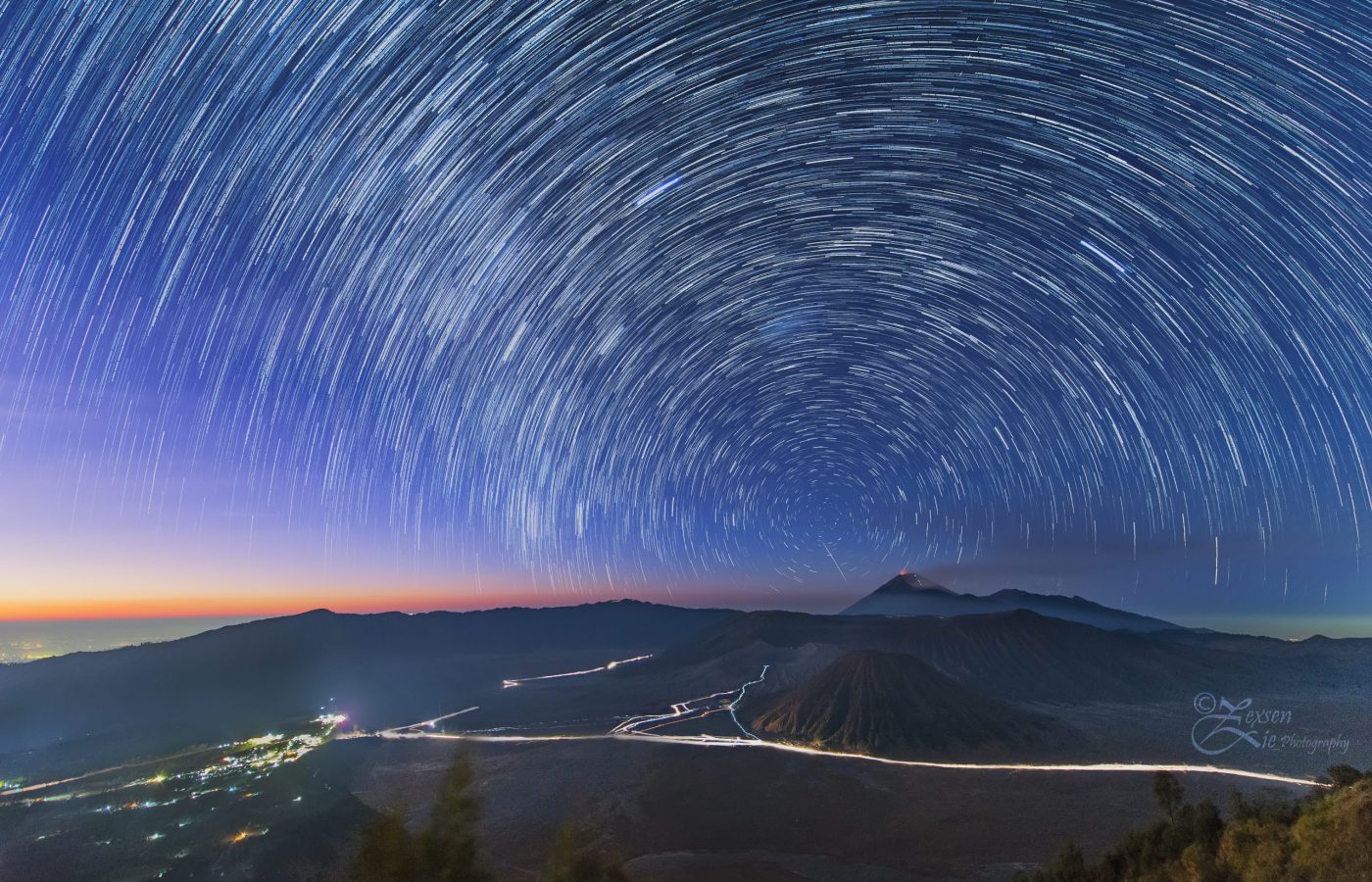
Meteor Watch runs only twice a year, timed to the Perseids in August and the Geminids in December — the two most reliable annual showers for our latitude. No telescope helps here; a telescope’s narrow field of view is actively the wrong tool. The whole session is reclined chairs, blankets, and as much open sky as possible.
We brief guests on the radiant — the point in the sky the meteors appear to stream from — and on why looking roughly forty-five degrees away from it, not directly at it, tends to catch the longer, more dramatic trails.
Rates vary a lot by year and by how much moonlight is around, so we’re upfront that this is the one session where a great count is never guaranteed. Most guests say the lying-under-a-truly-dark-sky part of the night was worth the visit regardless of the count.