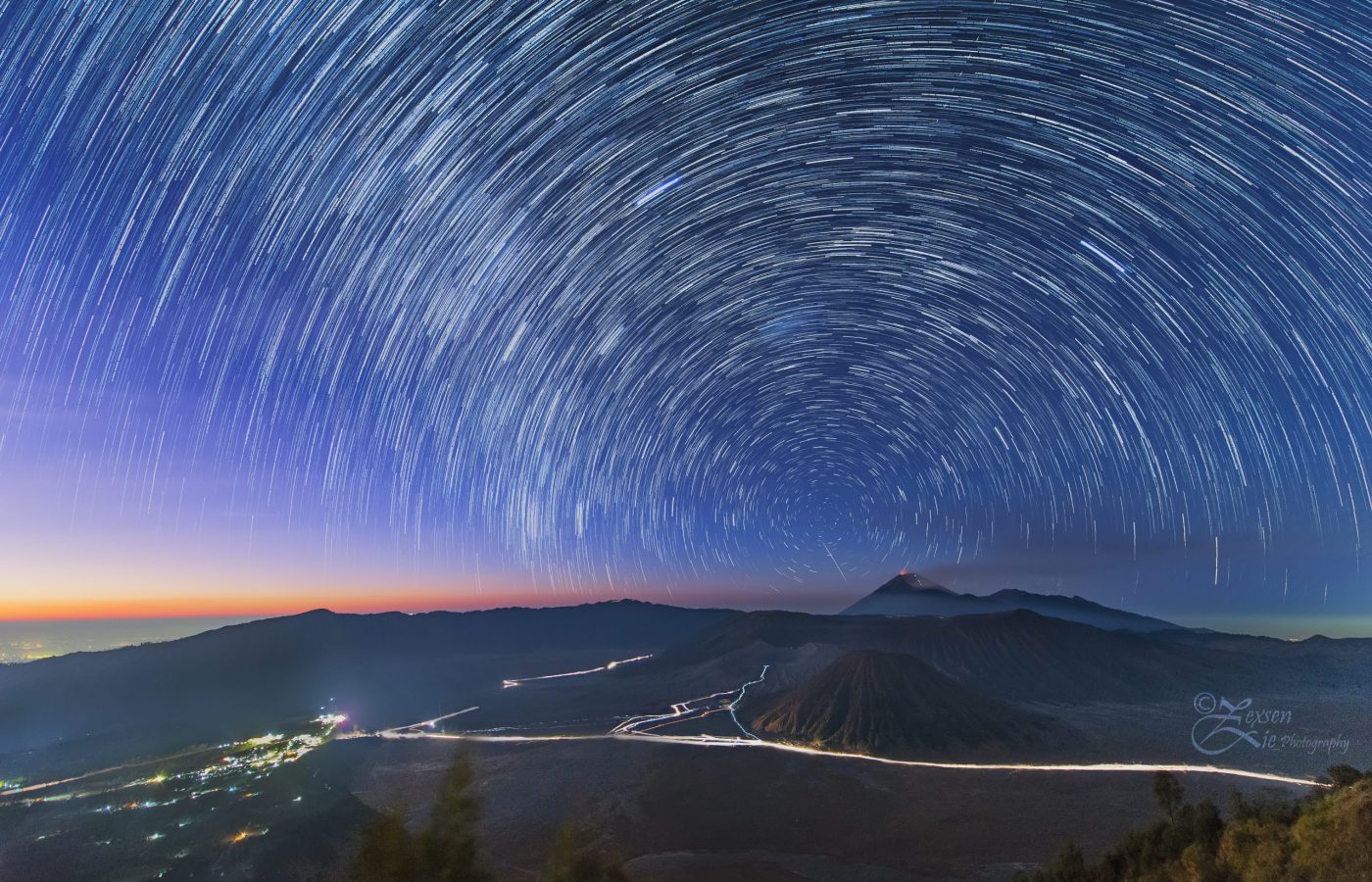
Meteor showers happen when Earth passes through the debris trail left by a comet’s orbit, and the resulting streak rate depends on a long list of variables we don’t control: how much debris that particular comet shed on its last pass, how directly Earth crosses the densest part of the trail, and — the one that actually decides most years — how much moonlight is washing out the sky that night.
The Perseids in August and the Geminids in December are our two scheduled meteor sessions because they’re the most reliable showers for our latitude, but “reliable” here means a good year might show forty or fifty meteors an hour and a poor one might show ten. We tell guests this upfront rather than oversell a number we can’t guarantee.
What we can guarantee is the dark sky itself, which — count aside — tends to be the part guests remember regardless.